- The project, known as PERMANET, is of great strategic importance for addressing the European Union’s (EU) weakness in the manufacturing of products that are essential for digitalization and the energy transition.
- Its goal is to increase the EU’s annual production capacity for permanent magnets twentyfold by 2050.
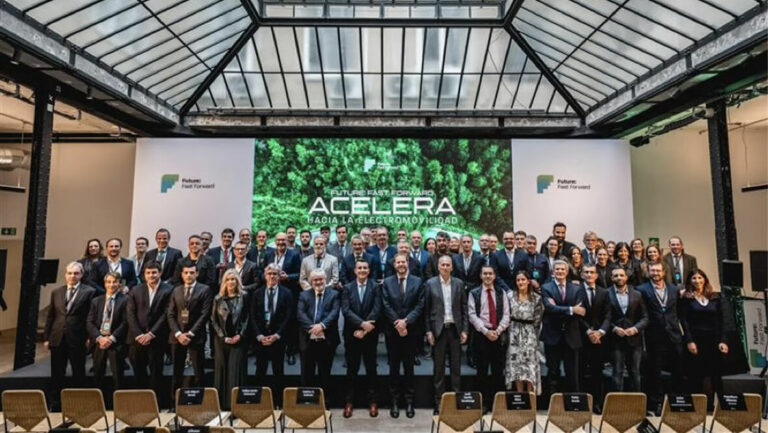
- It will be carried out by 34 partners, including companies, research centers, clusters, and universities.
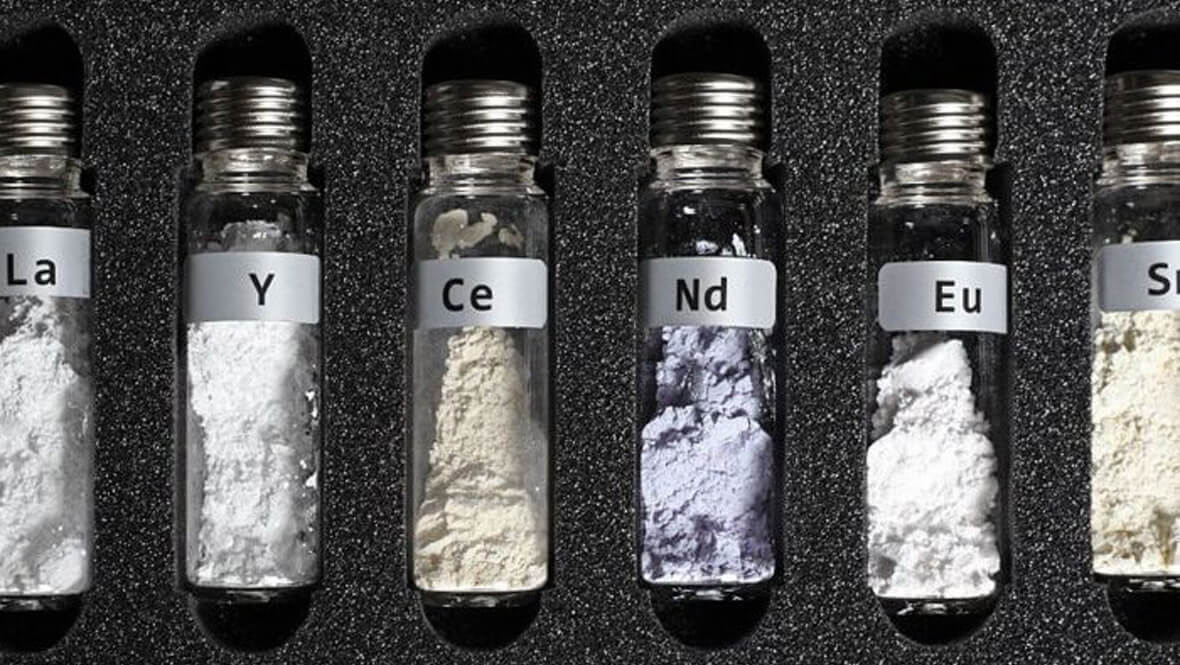
- The manufacture of permanent magnets requires access to technologies for the production of rare earth elements, an area in which Técnicas Reunidas has extensive experience and technological solutions that it already supplies to the market.
Técnicas Reunidas has been designated as the lead company for the PERMANET Project (PERmanent MAgnet Network for the European Transition), promoted by the European Commission (EC) under its Horizon Program, whose objective is to create the first complete European value chain for the production of permanent magnets.
This chain will include the extraction, processing, and refining of rare earths, which form the basis for the production of permanent magnets; the manufacture of the magnets themselves; and their subsequent recycling.
In addition to leading the project, Técnicas Reunidas will undertake, at its Technology Center, the development of technology that will enable the production of rare earths from minerals and secondary sources for subsequent use in the manufacture of permanent magnets.
The company has proven experience in this field, as it already supplies its own technology, RARETECH, to the market, which enables the production of rare earth concentrates in the form of carbonates from minerals.
Strategic Value and Geopolitical Risk
This is a project of high strategic value, as permanent magnets are a fundamental material for the manufacture of more than 200 product groups that are essential for digital development and the energy transition, particularly for the manufacture of motors for electric vehicles, wind generators, and transformers.
Furthermore, they are subject to high geopolitical risk. Currently, EU production of permanent magnets is extremely low, barely reaching 1,000 tons per year, and is not expected to cover more than 20% of European needs by 2030. Increasing this capacity would require a sharp rise in rare earth imports from China, the world’s leading producer, which currently supplies virtually all of the EU’s demand for these materials.
This excessive dependence on China could become even more serious in the near future, due to the growing demand for permanent magnets to drive the electrification required by the energy transition and the recent decision by Chinese authorities to restrict the export of rare earth processing technologies.
For this reason, the EC approved a Critical Raw Materials Act last year, the regulations for which were established last March, “as demand for rare earths is expected to increase exponentially in the coming years.”
A strong boost to the production of permanent magnets
The PERMANET project is part of this effort to overcome the limited production capacity and weak development of certain segments currently affecting the EU’s permanent magnet production value chain.
The project aims to increase European production of permanent magnets to 2,800 tons per year by 2037, 7,800 tons by 2040, and 21,600 tons by 2050, which would already cover nearly 50% of the EU’s needs in that year.
To this end, the project involves 34 partners (17 large companies, seven SMEs, four research centers, two universities, and four clusters from a total of eleven European countries) and will have a budget of approximately 21 million euros, with a grant of nearly 16 million. It is estimated to last 40 months.
Javier Limpo, director of the In-House Technology Development Division at Técnicas Reunidas, emphasized that “this project, which is essential for advancing European independence in the field of energy transition, will strengthen Técnicas Reunidas’ position as a technological leader in the extraction and recovery of rare earth elements.”