News

Learn about our news, technologies and projects

The project investigates advanced technologies for recovering copper, silicon, tantalum, niobium, silver, and tin from consumer waste and complex industrial waste.
It is funded by the Center for Technological Development and Innovation (CDTI) and the Ministry of Science, Innovation, and Universities under the Science and Innovation Missions program for the 2025 call for proposals.
 

The SERVET project (Research on New Circular Economy Processes in the Service of Strategic Sovereignty) helps address one of the most significant strategic challenges for the European Union and, more specifically, for Spain: ensuring secure and sustainable access to certain critical and strategic raw materials (CRMs) through the recovery of waste from consumer products and complex industrial streams that currently lack an efficient recovery pathway.

To this end, it proposes the design of a new circular, efficient, sustainable, and technologically advanced value chain, based on the selective recovery of strategic materials present in waste such as photovoltaic and hybrid panels, printed circuit boards (PCBs), end-of-life vehicle (ELV) fluff (ELVs), steel mill slag, and other complex solid industrial waste. 

The project focuses particularly on the recovery of copper (Cu), silicon (Si), tantalum (Ta), and niobium (Nb), elements that are essential for the energy transition, digitalization, the automotive sector, and the electronics industry. 

It will also investigate the recovery of silver (Ag) and tin (Sn), metals of high industrial value, in order to maximize the economic viability and overall efficiency of the process and thus contribute to strategic sovereignty in alignment with Mission 5 of the Misiones program call for proposals.

To achieve its objectives, SERVET will integrate disruptive technologies to ensure advanced and sustainable recovery through a systemic and interdisciplinary approach that will combine a wide range of activities: advanced pretreatments; intelligent conditioning and sorting of post-consumer waste; selective hydrometallurgical technologies for the extraction of CRMs from complex waste matrices; pyrometallurgical processes to recover critical raw materials from secondary fractions; and online analysis systems using advanced optical technologies (RGB, HSI, LIBS, NIR, Raman) with artificial intelligence algorithms for real-time characterization and quality control.

These technologies will enable the reintroduction of recovered materials into new high-value applications, such as hybrid solar panels or functional conductive inks, thereby closing the full circularity cycle.

The SERVET project is being carried out through a consortium led by the company FRAGNOR (TRADEBE), which coordinates the work of five other companies: Técnicas Reunidas, Atlantic Copper, Abora Energy, LENZ Instruments, and INM (Ingeniería Navarra Mecánica). Four leading technology centers (GAIKER, EURECAT, LUREDERRA, and CENIM-CSIC) are also participating, contributing advanced scientific capabilities in analysis, characterization, and pilot validation. 

The project will last four years and has a total budget of €6,013,229.00, to which Técnicas Reunidas is contributing €1,587,069 to develop hydrometallurgical processes that enable the recovery of Ag, Si, and Cu from a combination of silicon dust waste from solar panel recycling and PCB powder. 

SERVET will have a significant impact on industrial and regional ecosystems by recovering complex waste, preventing its accumulation, and reducing environmental risks, while increasing the efficient recovery of critical raw materials, thereby reducing dependence on imports. All of this is fully aligned with several of the UN’s Sustainable Development Goals (SDGs)—innovation, sustainable industry, climate action, quality employment—and with reindustrialization and the creation of skilled jobs in regions with low industrial density.

Consequently, thanks to its comprehensive and multidisciplinary approach, SERVET will contribute to strengthening the strategic autonomy of Spain and the European Union as a whole in critical sectors, fostering a fairer, more resilient, and more inclusive economy.

Funded by the CDTI | Grant No.: MIG-20251132

Técnicas Reunidas has signed a collaboration agreement with Osmond Resources Limited for the development of the Orión Project, a strategic initiative located in the province of Jaén that aims to establish one of the first complete rare earth value chains in the European Union.

The project encompasses the entire process, from mining to processing and the production of final products, positioning itself as a European leader in the production of mixed carbonates and rare earth oxides. This initiative will significantly contribute to strengthening Europe’s strategic autonomy in the supply of critical raw materials.

Proprietary technology for the development of critical minerals

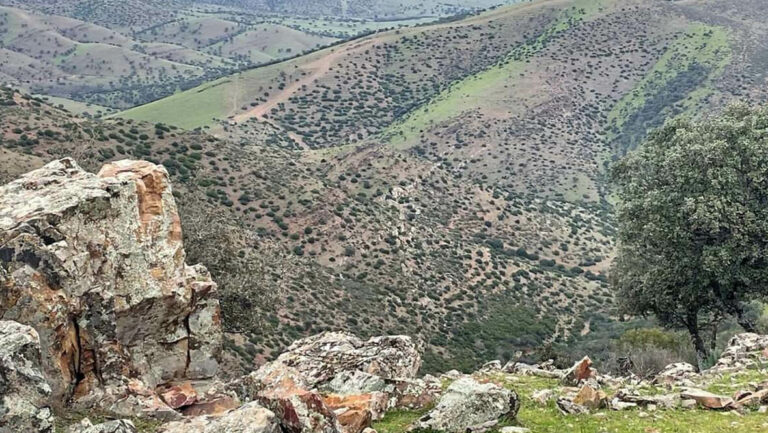
The project will be carried out over an area of more than 220 km² in the north of the province of Jaén and will enable the recovery of monazite, a mineral rich in elements such as neodymium, praseodymium, and dysprosium, which are essential for advanced technological applications such as permanent magnets, batteries, and electronic components.

Técnicas Reunidas will contribute its proprietary RARETECH technology to the project, an advanced solution based on hydrometallurgical processes and solvent extraction (SX), which enables the efficient production of rare earth compounds from mineral raw materials.

This technology, developed at the José Lladó Technology Center, is part of the company’s commitment to developing sustainable solutions for the recovery and processing of critical raw materials from both primary and secondary sources.

A key project for the energy transition and European industrial sovereignty

Rare earths are essential for strategic sectors such as the energy transition, digitalization, defense, and electric mobility. Currently, global production is highly concentrated, leading to a strong dependence on third countries.

The Orion Project addresses this challenge by developing industrial capabilities within the European Union, helping to diversify supply and reduce geopolitical risks.

Industrial scope and project execution

Osmond Resources Limited will own the asset, while Técnicas Reunidas will be responsible for engineering, procurement, and construction (EPC) services, as well as technological integration.

The estimated investment for the project ranges between 200 and 300 million euros, depending on the final scope, and the plant is expected to begin operations in approximately three years.

Platform for future international collaborations

This agreement represents a strategic step for Técnicas Reunidas in the field of critical minerals, consolidating its position as a technology provider and industrial partner in high-value-added projects.

Likewise, the collaboration with Osmond Resources Limited opens new opportunities for the joint development of similar projects internationally, as well as for the expansion of the company’s technological capabilities in the field of strategic metals.

Commitment to innovation and the circular economy

Técnicas Reunidas actively participates in European and international initiatives aimed at developing sustainable value chains for critical raw materials, including projects for the recovery, recycling, and upcycling of materials.

These initiatives reinforce the company’s commitment to innovation, sustainability, and the transition toward a more circular and resilient economy.

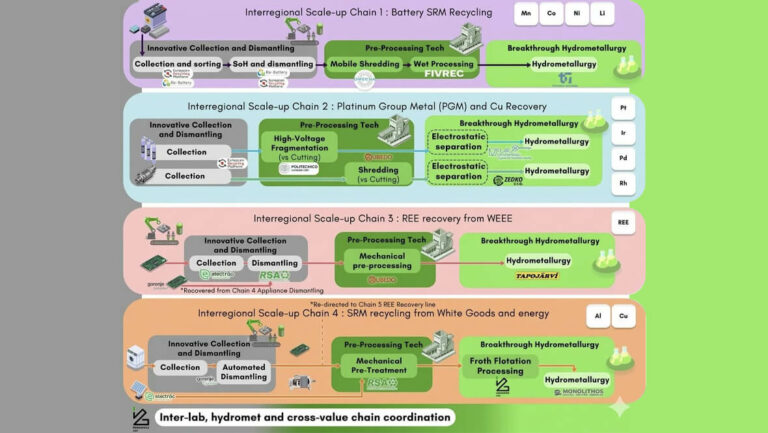
The European METIUM project, funded under Horizon Europe, aims to transform urban waste into a reliable source of strategic raw materials, driving new value chains based on urban mining and advanced hydrometallurgical technologies.

Through an integrated approach, METIUM connects the collection, pretreatment, and advanced recovery of materials into efficient interregional value chains, enabling the recovery of end-of-life products and their conversion into high-value resources. The project seeks to strengthen Europe’s resource independence, reduce reliance on imports, and move toward a more circular and sustainable economy.

In this context, Técnicas Reunidas will participate by contributing its expertise in the development of hydrometallurgical technologies and process solutions for the recovery of critical minerals and strategic metals. Its contribution will focus on the industrial scaling of innovative solutions and the development of robust value chains centered on urban mining.

METIUM is structured around several key technology chains, including batteries, platinum group metals (PGMs), electronic waste (PCBs), and copper and aluminum streams. Through these lines of work, the project will drive the development and scaling of more than 15 technological innovations, with the goal of reaching industrial maturity levels (TRL 9) and facilitating their market implementation.

Notable among the developed solutions are advanced recycling technologies for the efficient recovery of lithium, cobalt, and nickel from batteries; the extraction of precious metals with low environmental impact; the recovery of rare earth elements from complex electronic waste; and the recovery of industrial waste through sustainable chemical processes.

The project also promotes the creation of a network of interregional “Hydromet Hubs,” which will connect industrial and technological capabilities across Europe, laying the groundwork for the development of the first Europe-wide urban mining network.

Técnicas Reunidas’ participation and leadership reinforce its position as a key player in the development of technological solutions for the challenges associated with critical raw materials and the transition toward a more sustainable economy.

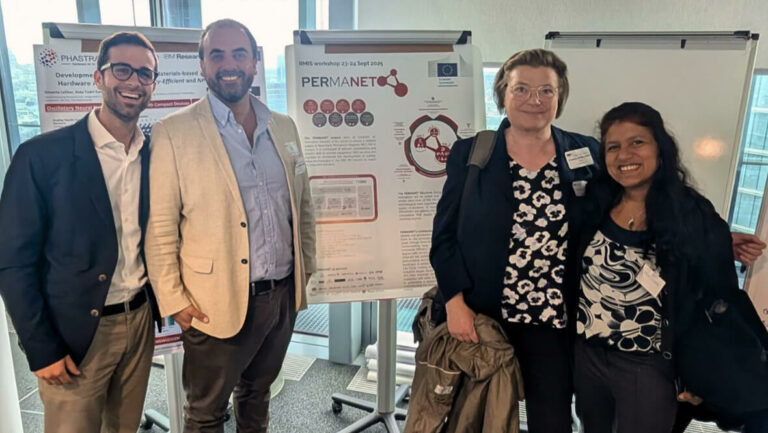
On September 23 and 24, 2025, the PERMANET project participated in the Raw Materials Information System (RMIS) workshop, held under the theme “Leveraging raw materials to strengthen EU competitiveness: from research to innovation.” The meeting focused on how to channel the knowledge generated in European projects and research initiatives into tools that support decision-making.

The event, co-organized by the European Commission’s Joint Research Centre (JRC) and the European Health and Digital Executive Agency (HaDEA), brought together key representatives from European institutions, industry, academia, and EU-funded projects. Over two days, participants shared perspectives on the role of research and innovation in raw materials as a driver of competitiveness, resilience, and the green transition in Europe.

One of the workshop’s main focuses was improving the visibility and accessibility of project results through the RMIS platform, facilitating connections between EU-funded projects and decision-makers, and contributing to the development of evidence-based policies in the field of critical and strategic materials.

In this context, PERMANET presented its progress in developing the rare earth magnet value chain, ranging from extraction and recycling to advanced manufacturing. Técnicas Reunidas participates in this project by contributing its expertise in the development of hydrometallurgical technologies and process solutions for the recovery and refining of rare earths, helping to strengthen a more sustainable, circular, and resilient value chain in Europe.

Participation in the RMIS workshop reinforces PERMANET’s commitment to transparency, knowledge sharing, and innovation, contributing both to scientific progress and to the European Union’s strategic objectives regarding sustainability and competitiveness.

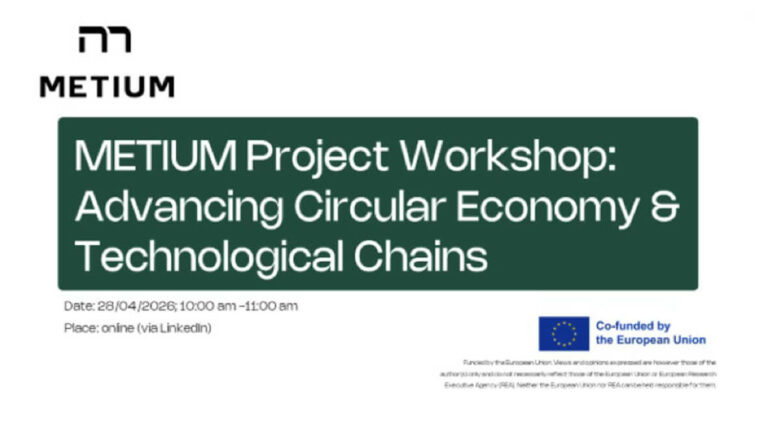
The European METIUM project will hold an online technical workshop on April 28, 2026 (10:00–11:00 CET) focused on advanced materials recovery and the development of solutions for the circular economy.

Under the “closing the loop” approach, the session will address how to transform end-of-life materials into high-value resources, exploring technologies applied to the recycling of batteries and electronic waste (PCBs), as well as the recovery of aluminum, copper, and precious metals (PGMs) from catalysts and solar panels.

The workshop will delve into the project’s main technology chains (WP5), offering a detailed overview of the progress and challenges in scaling up innovative solutions for the recovery of strategic materials.

The event will bring together experts and project partners, including Técnicas Reunidas, Tapojärvi, Monolithos, and the Łukasiewicz Research Network – Institute of Non-Ferrous Metals, as well as members of the I3 Circular Economy Working Group and other stakeholders in the European materials recovery ecosystem.

The session offers an opportunity to learn firsthand about the technologies shaping urban mining in Europe and to participate in the discussion on circular strategies for critical materials.

👉 Registration available:

http://bit.ly/4mvF2YK 

The Future: Fast Forward consortium receives the final resolution from the Ministry of Industry for its PERTE VEC project.

  • 52 consortium members will develop 86 projects that will contribute to the transformation of the automotive sector, driving its electrification towards sustainable mobility.
  • 90% of the granted aid is expected to be transferred to the companies within the Future: Fast Forward consortium in the coming weeks.

Madrid, January 26, 2023. The Future: Fast Forward consortium has received the final approval decision from the Ministry of Industry, Trade and Tourism regarding its proposal for the development of the Strategic Projects for Economic Recovery and Transformation for the Electric Vehicle (PERTE VEC).

The decision comes after the Ministry reviewed all the documentation submitted by the consortium on January 13 for the implementation of the project. The members of Future: Fast Forward correctly provided the required guarantees.

This concludes the administrative procedures required to receive the funds from the European Union Recovery, Transformation and Resilience Plan granted to the members of Future: Fast Forward, amounting to €357 million.


A historic consortium.

Following the grants awarded, Future: Fast Forward will develop 86 projects with 52 consortium members across different autonomous communities: Andalusia, Aragon, Castile and León, Catalonia, the Community of Madrid, the Valencian Community, Galicia, Navarre and the Basque Country.

The members of Future: Fast Forward will contribute to the PERTE VEC through the implementation of projects divided into nine thematic areas and expect to mobilize an investment of €10 billion: €7 billion from the Volkswagen Group, SEAT S.A. and PowerHoldco, and €3 billion from the remaining partners. On the one hand, the mandatory areas—those considered fundamental to achieving the objectives of the PERTE VEC—will address projects related to (i) original equipment manufacturing and assembly, (ii) battery manufacturing and (iii) manufacturing of other components. The cross-cutting areas, which are also essential to achieving the goals of the PERTE VEC but whose application extends beyond a specific territory, include (iv) training, (v) digitalization and (vi) circular economy. Finally, the optional areas complement the development of the PERTE VEC and address (vii and viii) VEC component manufacturing and connectivity, and (ix) charging system manufacturing.

The consortium presentation event will take place on February 2, where full details of the different projects will be shared.

Future: Fast Forward is the largest business alliance in the history of the Spanish automotive industry. Its geographical diversity and comprehensive understanding of the entire automotive value chain provide it with an integrated vision of the steps required to develop sustainable mobility electrification in Spain. It is an ambitious national project that can transform Spain into a leading European hub for electric mobility while generating a highly positive socioeconomic impact throughout the automotive value chain.

Marc Riera, President of Future: Fast Forward, stated: “The PERTE VEC resolution is another step forward in our plan to make the Spanish automotive industry a European benchmark in sustainable electrification. At Future: Fast Forward, we are working to transform the mobility industry and move closer to a more sustainable future.”


Members of the Future: Fast Forward consortium.

COMPANIES: Altech, Asai Industrial, AZTERLAN, Balidea, BeePlanet, Bosch, Brose, CARTO, CELSA Group, CETIM, CIDETEC, CSIC, CERLER Global Electronics, CYP, Delta Vigo, ENSO INNOVATION, Feníe Energía, FORMINSA, GCR Group, Gestamp, Glavista, Gonvarri, Sesé, Simoldes, Iberdrola, Intrustial, ILJIN, Ingedetec, Universidad Zaragoza, isEazy, ISEND, Kapture, Kautenik, Kivnon, Lazpiur, Leartiker, Libelium, Lithium Iberia, Malena Engineering, Mindcaps, Mol-Matric, Motorland Aragón, NTDD, NUTAI, Órbita Ingeniería, Pomceg Electronics, POWER Innotech, PowerCo, SEAT CODE, SEAT MÓ, SEAT S.A., Silence, Grupo SPR, Sumitomo Electric Bordnetze SE, Técnicas Reunidas, TECOI, Valeo, VEGA Chargers, Vicomtech, Volkswagen Navarra, WIP and Zylk.


Collaborators of the Future: Fast Forward consortium.

CaixaBank, Eurecat, FICOSA, ITAINNOVA and Telefónica España.


About Future: Fast Forward.

Future: Fast Forward is the largest business consortium in the history of the Spanish automotive industry. Following the final approval by the Ministry of Industry of the PERTE VEC project, 86 projects are being developed across 11 autonomous communities (Catalonia, the Community of Madrid, Navarre, the Basque Country, Cantabria, Aragon, Castile and León, Castile-La Mancha, Andalusia, Galicia and the Valencian Community) by 52 members, 59.6% of which are SMEs. The companies participating in the consortium bring experience, technology, knowledge, innovation, human talent and business capabilities that contribute value to building the ecosystem required to make Spain a leading international hub for electrified and sustainable mobility.


Técnicas Reunidas’ participation in the PERTE VEC Project.

Técnicas Reunidas participates in the RELOAD project, whose overall objective is to contribute efficiently and safely to the supply of high-value metals within the industrial value chain of Connected and Electric Vehicles (VEC), reducing dependence on imports while promoting a sustainable, circular industrial model with a lower environmental footprint. Técnicas Reunidas will research innovative technologies for recovering various metals, including lithium, cobalt, nickel, manganese and graphite from a black mass stream obtained from VEC batteries; rare earth elements contained in electric motor magnets; and copper, tin, silver, niobium and gold from a waste stream of high-value-added electronic VEC components obtained from the power control unit. The three streams will be provided by SEAT, and the recovered metals will be transformed into industrial precursors for reuse within the VEC industry.


Fast Forward

Técnicas Reunidas is participating in a research project aimed at developing new photovoltaic technologies to reduce energy costs through circular economy strategies.

  • The SUNRISE PV project focuses on optimizing energy production and costs, integrating these systems into electrical grids, and addressing the environmental impact of photovoltaic plants. 
  • The project will be carried out by a consortium led by MAGTEL, with the participation of six other Spanish companies: CEGASA, CEN SOLUTIONS, ISFOC, MONDRAGON, MUGAPE, SOLTEC, and TÉCNICAS REUNIDAS.
  • The project includes contributions from six research organizations: TECNALIA, CETIM, AICIA, IKERLAN, UNIOVI, and RWDI.
  • The project has been selected by the Missions Program of the Center for Industrial Technological Development (CDTI) for funding in the 2022 call for proposals. 


Context

Society currently requires immediate mitigation actions regarding climate change and energy dependence on fossil fuels from regions with geostrategic conflicts or human rights concerns. To address the former, the European Union established the long-term strategy for 2050, “A Low-Carbon Economy,” which aims to lead Europe to achieve net-zero greenhouse gas (GHG) emissions by 2050. 

In support of this strategy, renewable energy sources are seen as the greatest hope, and within this category, solar photovoltaic (PV) energy will play a fundamental role, as noted by major international organizations in their reports on energy outlooks and scenarios for 2050 (IRENA, SPE, IEA).

Solar PV deployed more capacity than all other power generation technologies, including fossil fuel-based generation, in 2021. However, solar energy still covers only a small portion of global electricity demand—around 4%—while more than 70% of global energy generation comes from non-renewable sources. For this reason, it is necessary to increase the adoption of this energy source immediately, and to that end, one of the key factors is—and will remain so for many years—the reduction in the cost of generating this type of energy, without losing sight of the fact that cost improvements and the deployment of renewables must be achieved while considering their manageability through storage for integration into the electrical grid, as well as the environmental and social sustainability of the technology, affecting the durability, reparability, and recyclability of PV products and systems. 

In this regard, the project titled “New Generation of Photovoltaic Technologies for Reducing Energy Costs through Circularity Strategies,” whose acronym is “SUNRISE PV,” proposes solutions and innovations that address this challenge across the various stages of the value chain.

The project will be carried out by a consortium led by MAGTEL, with the participation of six other Spanish companies: CEGASA, CEN SOLUTIONS, ISFOC, MONDRAGON, MUGAPE, SOLTEC, and TÉCNICAS REUNIDAS.

It is supported by six research organizations: TECNALIA, CETIM, AICIA, IKERLAN, UNIOVI, and RWDI.

Project

The corporate R&D project in cooperation titled “New generation of photovoltaic technologies for reducing energy costs through circularity strategies” and with the acronym “SUNRISE PV,” has been funded by the Center for Technological Development and Innovation (CDTI) and supported by the Ministry of Science and Innovation as part of the 2022 call for proposals under the Science and Innovation Missions program.

This initiative, which will run until 2025, proposes solutions and innovations across the various stages of the value chain (photovoltaic module, tracker or support structure, power converter, photovoltaic inverter, storage, plant operation and maintenance), focusing research on three key areas.

The first of these relates to new materials and manufacturing processes for photovoltaic modules and other components, aiming to achieve higher conversion efficiency and lower manufacturing costs. The second aspect concerns new operation and maintenance processes for a more durable, efficient, and reliable use of photovoltaic systems.

Finally, the research covers new processes for the recovery and reuse of critical materials and components in the solar photovoltaic value chain to increase their utility and improve the technology’s environmental impact.

These three areas of focus converge on a final objective: to optimize the production of renewable energy—from photovoltaic sources—by reducing the energy and economic costs of the technology (improving the LCOE), as well as making significant progress in the efficiency, flexibility, and management of photovoltaic plants, within a framework of environmental, economic, and social sustainability.

Within the project, Técnicas Reunidas will lead research into new processes for recycling end-of-life PV module components, specifically the recovery of valuable metals for the photovoltaic industry found in photovoltaic panels whose life cycle (both primary and secondary) has ended. 

The project, which has a total budget of €6.5 million, is scheduled for completion in 2025 and has been funded by the Recovery and Resilience Facility, under the European “Next Generation EU” funds.

Técnicas Reunidas is participating in a research project on the use of green hydrogen to decarbonize Spain's energy-intensive industries

  • The HY2DEC project will investigate new technologies for the production and use of green hydrogen to contribute to the decarbonization of Spain’s energy-intensive industries.
  • The project will be carried out by a consortium led by Tubacex, with the participation of six other Spanish companies: TORRECID S.A., TÉCNICAS REUNIDAS S.A., GHI HORNOS INDUSTRIALES S.L., GECSA CONDUCTORES Y CONEXIONES ESPECIALES S.A., ORCHESTRA SCIENTIFIC S.L., and KERIONICS S.L.
  • The project includes contributions from seven research organizations: CEIT, ICIQ, ICP (CSIC), IKERLAN, INCAR (CSIC), ITQ (CSIC), and TECNALIA
  • The project has been included in the Missions Program of the Center for Industrial Technological Development (CDTI), having received the third-highest rating in the program’s latest edition.


Context

Climate change is having a growing impact on our planet, and mitigating it is an increasingly urgent challenge. A gradual decarbonization of all sectors of the economy is necessary to achieve the European Commission’s 2050 carbon neutrality targets.

In this context, the research project led by Tubacex, titled “Research into new technologies for the production and use of green hydrogen for the decarbonization of Spain’s energy-intensive industry” (acronym: HY2DEC), was launched.

As a strategic supplier of advanced products and industrial services for energy generation and mobility, Tubacex leads, within the framework of its open and sustainable innovation strategy, the business group developing the Hy2DEC R&D project, whose main objective is to research, develop, and validate new emerging technologies for the production and use of green hydrogen and oxygen, as well as CO2 capture and its integration into processes within Spain’s energy-intensive industries, with the aim of advancing their decarbonization.

This project will be carried out by a consortium comprising seven Spanish companies.  ACERIA DE ALAVA S.A. (Tubacex Group), TORRECID S.A., TÉCNICAS REUNIDAS S.A., GHI HORNOS INDUSTRIALES S.L., GECSA CONDUCTORES Y CONEXIONES ESPECIALES S.A., ORCHESTRA SCIENTIFIC S.L., and KERIONICS S.L.

In addition, the project involves contributions from seven research organizations: CEIT, ICIQ, ICP (CSIC), IKERLAN, INCAR (CSIC), ITQ (CSIC), and TECNALIA.

The Project

The collaborative business R&D project titled “Research into new technologies for the production and use of green hydrogen for the decarbonization of Spain’s energy-intensive industry,” with the acronym “HY2DEC,” has been funded by the Center for Technological Development and Innovation (CDTI) and supported by the Ministry of Science and Innovation as part of the 2022 call for proposals under the Science and Innovation Missions program.

It is worth noting that this project, part of the Missions Program, received the third-highest rating—tied for second place—among all projects submitted in this call for proposals.

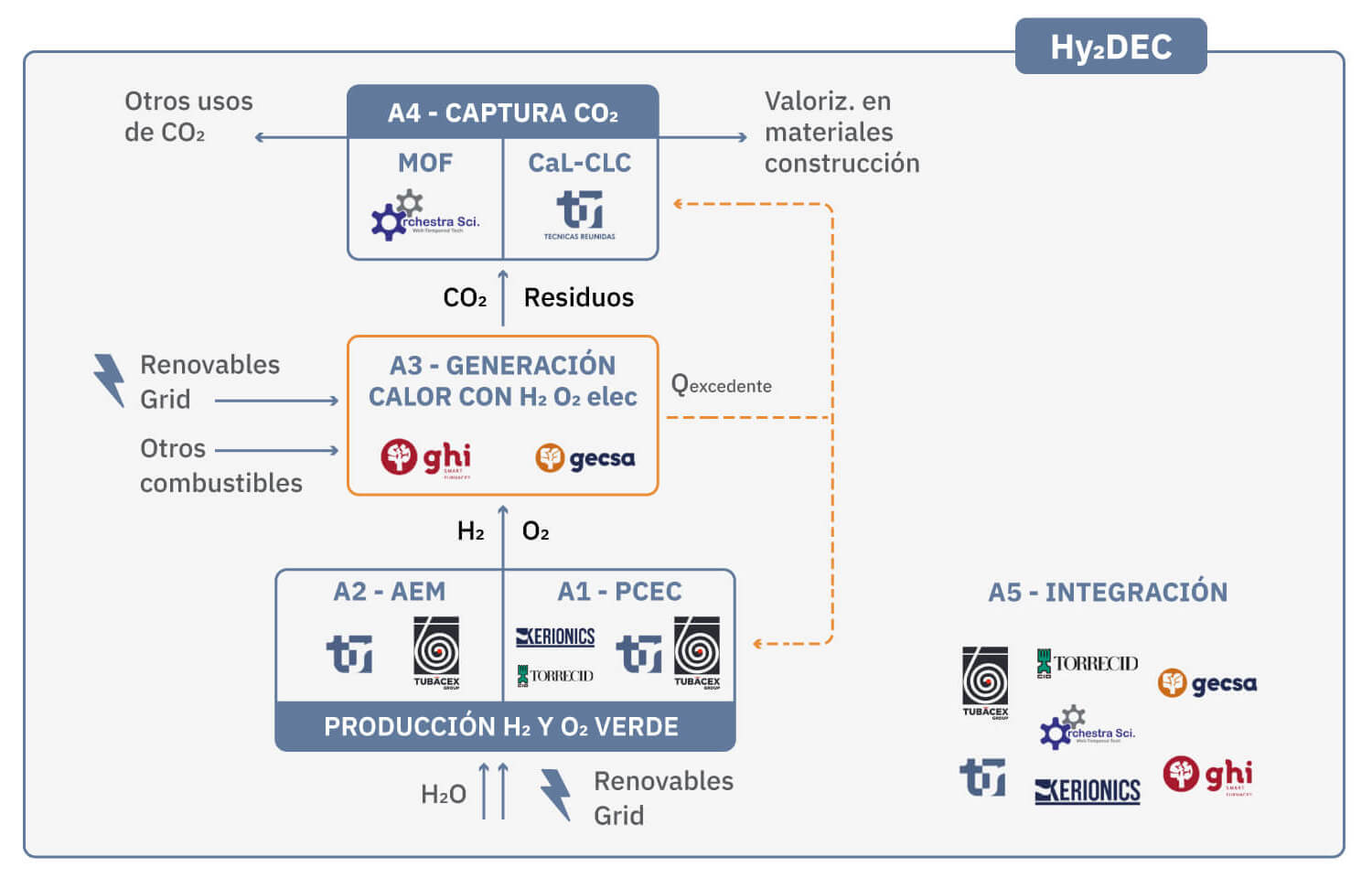
The Hy2DEC project aims to address the challenges posed by the decarbonization of energy-intensive industry through the sustainable production and use of green hydrogen and oxygen, as well as CO2 capture to achieve a positive emissions balance. To this end, and in parallel with experimental research, Hy2DEC will conduct a study of the gaps and needs in intensive industrial processes to advance their decarbonization, as well as an evaluation of potential solutions offered by the technologies under study, all within the context of two use cases for intensive processes: steelmaking and ceramics. Figure 1 shows an overview of the Hy2DEC project and the partners’ involvement in the different research areas of the technologies being studied.

The technologies to be researched in this project can be grouped into three main areas:

  • On the one hand, Hy2DEC will advance the knowledge and implementation of two emerging technologies in the field of green hydrogen production via electrochemical means.
  • The second pillar focuses on research into new heat generation designs and devices that utilize green hydrogen as a fuel.
  • The third technological area is geared toward the study and implementation of CO2 capture technologies, including the recovery of waste from the relevant industry, thereby contributing to the circular economy.
Diagram of the Hy2DEC project, showing the research axes of the technologies studied in the rectangular cells as process units, the activities in which they are undertaken (AX) and the partners participating in each of them through their corresponding logos. In addition, the mass and energy flows in and out of the process units are illustratively indicated with the help of arrows.

Specifically, the participation of each of the companies involved in this project is as follows:


Acerálava (Tubacex Group):

Will research a new solution to reduce natural gas consumption and CO2 emissions by optimizing overall energy consumption and identifying synergies for heat recovery and circularity through waste recovery.


Técnicas Reunidas:

Will research emerging technologies for the production of green hydrogen and oxygen through the development of anion exchange membrane (AEM) electrolysers and proton exchange membrane (PCEC) electrolysers. It will also conduct research on the development of CO2 capture technologies from industrial emissions, as well as their integration into energy-intensive industrial processes for decarbonization.


Torrecid:

Will conduct research on ceramic materials for ceramic membranes in electrocatalysis processes in PCEC for hydrogen generation, as well as on the use of this hydrogen in frit melting processes to reduce emissions. Additionally, it will conduct research on carbon dioxide capture processes and their integration into melting furnaces.


GHI:

Will conduct research on furnace heating systems that use renewable energy sources and on energy-efficient systems to reduce greenhouse gas emissions by at least 50%.


Gecsa:

Will research and develop a new power electronics solution to enhance current solutions for electrolysis plants and melting furnaces.


Orchestra:

Will research a new CO2 absorption technology using TAMOF-1 on an industrial scale in the form of pellets or granules that are mechanically stable and stress-resistant.


Kerionics:

Will research and develop a new generation of electrochemical cells that enable water electrolysis in a highly energy-efficient manner and under milder conditions (temperatures below 600 °C).

The project, which has a total budget of 5,872,941 EUR, is scheduled for completion in 2025, at which point the scalability and industrialization of the prototypes developed by the participating entities will be conceptualized.

Técnicas Reunidas is leading a research project to recover critical raw materials for the green transition

  • The MINETHIC project will investigate new sources for recovering unconventional critical raw materials and develop new technologies—including digital technologies—to recover them efficiently and sustainably.
  • The European Union has warned of the critical importance of having a reliable supply of raw materials.
  • The project will be carried out by a consortium led by Técnicas Reunidas and comprising five other Spanish companies (FCC Medio Ambiente, Apria Systems, IDP, IMA Magnets, and Torrecid). Scientific coordination will be handled by the Multisectoral Research Technology Center (CETIM).
  • The project has been incorporated into the Missions Program of the Center for Industrial Technological Development (CDTI) with the highest rating achieved by any initiative submitted to it since its creation in 2020.


From its José Lladó Technology Center, Técnicas Reunidas will lead the development of a research project of great strategic importance for Europe: the recovery of minerals and metals considered critical raw materials (CRMs), which are key to the technology sector and the green transition.

The European Commission recently warned that the transition toward climate neutrality could shift the current dependence on fossil fuels to a dependence on metals.

The research will be carried out by a consortium comprising five other Spanish companies (FCC Medio Ambiente, Apria Systems, IDP, IMA Magnets, and Torrecid) under the scientific coordination of the Multisectoral Research Technology Center (CETIM).

In addition, the project has three strategic partners (Áridos do Mendo, MAGNA, and EDAR Bens) and the contribution of five research organizations (CETIM, Eurecat, IMdea Materiales, Tecnalia, and the University of Cantabria).

Proof of the strategic importance attached to this initiative is that it has been incorporated into the Missions Program of the Center for Industrial Technological Development (CDTI) with the highest rating achieved by any proposal submitted to it since its creation in 2020.


Strategic Materials for the Ecological Transition

Critical raw materials—rare earths, cobalt, nickel, manganese, phosphorus, etc.—are an essential resource for the development of technology companies’ activities and the manufacture of equipment for the ecological transition. Dependence on other countries poses a high risk in terms of supply and acquisition costs, due to the growing international demand for these raw materials.

The MINETHIC project aims to recover these minerals—from various byproducts and waste—with the high levels of purity required.


The consortium companies and their contributions

The companies participating in the consortium are as follows:

  • Técnicas Reunidas, the project promoter and leader, will research innovative technologies for the pre-treatment, concentration, and purification of critical raw materials derived from mining by-products and urban and industrial waste, as well as their final application in catalysts. It will also design the recovery routes and conduct large-scale studies of them. 
  • FCC Medio Ambiente will analyze pre-treatment and concentration technologies for different fractions of urban and municipal waste that facilitate the extraction and purification of the critical raw materials present in them. 
  • Apria Systems will study the concentration and purification of metals from various mining by-products and urban and industrial waste. 
  • IDP will simulate and model the pre-treatment, concentration, and purification processes of elements to optimize these processes, reduce energy consumption, and lower associated costs. 
  • IMA Magnets will contribute its expertise in the implementation of recovered raw materials for the sustainable manufacture of magnets. 
  • Torrecid will investigate the reuse of recovered metal oxides for the synthesis of new components that are key to the green transition.

The project, which is expected to take 32 months to complete, has an initial budget of 5 million euros.
 

Minethic Microsite

RECUMAN PROJECT: Recovery of Manganese Using Hydrometallurgical Processes

The mining and metallurgical sector is compelled to develop increasingly efficient and sustainable production processes that maximize the recovery of metals contained in the ore, including those traditionally considered impurities. This trend is generating new opportunities for the development of hydrometallurgical processes with high market potential. The treatment of unconventional zinc ores with high impurity content that is incompatible with traditional processing is an example of these new market niches.

In the case of metallic zinc, the most widely adopted technology for its extraction is Roasting, Leaching, and Electrowinning (RLE), which is specialized for high-capacity plants (100k–200k tons/year), but with process characteristics that are not suitable for tolerating significant amounts of impurities. This limitation leaves zinc ore reserves with high impurity levels unexploited. One of the most common issues in zinc ores is the presence of manganese, which cannot be removed by the RLE process once its concentration in the ore falls below a very low threshold.

To address this issue, the RECUMAN project, funded by the Center for Industrial Technological Development (CDTI) and spanning two years, aims to develop a flexible technology for recovering manganese from zinc ore in the form of a chemical compound with high market value. The technology’s features will be geared toward efficient processes for extracting manganese at low concentrations in the ore—a challenge that current technology cannot address. 

DUST PROJECT: Development of a Sustainable Process for the Treatment of Steel Mill Dust

Steel dust is a waste product generated in electric arc furnaces in the steel industry during steel production. It is classified as hazardous industrial waste because it contains heavy metals (lead, chromium, cadmium, zinc, etc.), with zinc being the main component. In 2020, more than 10 million tons of steel dust were produced worldwide, representing a zinc content of over 1.7 million tons with a potential market value of more than 3 billion euros annually. Currently, only 50% of the steel mill dust produced globally is recycled and recovered. Specifically, this amount is limited to very large batches due to the high cost of current recycling processes. The remainder, consisting mainly of small-scale batches, is simply subjected to stabilization processes and stored in hazardous waste facilities.

The DUST R&D Project, awarded to Técnicas Reunidas, funded by the Center for Industrial Technological Development (CDTI), and with a duration of 2.5 years, aims to transform steel mill dust waste into new raw materials by developing a flexible and compact technology geared toward small-scale applications—where there is a clear unmet market need not addressed by available technologies—with the primary objective of recovering the zinc present in the waste. To achieve this technology, efforts will focus on developing a process that includes process intensification methodologies, such as new sonication and microwave techniques, along with hydrometallurgical techniques for the leaching of steel dust.

EU Proposal 869703. Development of radical innovations for the recovery of minerals and metals from the brine produced by desalination plants. The goal of the SEA4VALUE project is to lay the groundwork for converting brine produced at desalination plants into a complementary source of critical raw materials. This project brings together 15 partners from industry, universities, and research centers across 7 European countries with the shared goal of developing innovative technologies. Within this consortium, TR plays a key role in developing new selective adsorbents and innovative extraction processes that enable the recovery of valuable metals such as molybdenum, indium, and vanadium.

BIORECOVER (GA No. 821096): Development of a sustainable strategy for the selective biorecovery of critical raw materials from primary and secondary sources. The objective of BIORECOVER is the research and development of a new sustainable and safe process, primarily based on biotechnology, for the selective extraction of critical raw materials from currently unexploited primary and secondary sources of Rare Earths, Magnesium, and Platinum. A consortium of 14 partners from 7 European countries and South Africa, covering the entire value chain, is already working to achieve this goal. TR plays a key role in developing a new, cost-effective, and environmentally efficient purification process to recover rare earth elements and platinum.

The latest revision of the BREF (Best Available Techniques Reference Document) for the non-ferrous metals industry lists ZINCEXTM technology among the purification processes for zinc production from primary and secondary raw materials.

View the project here.

Last June, a pilot-scale demonstration of the technology developed by Técnicas Reunidas WALEVA began. The demonstration period lasted five weeks, during which a total of four continuous operation campaigns were completed, yielding levulinic acid under optimal conditions of yield and purity.

Check out the project here  

Building a sustainable future driven by technology.

Together, we create projects that contribute to sustainability and environmental protection. For more information, please contact us.